
NOS PROGRAMMES SCOLAIRES à L’étranger
Envie de partir 1 mois, 2 mois, 3 mois, 1 semestre ou 1 année scolaire à l’étranger pour vivre une expérience unique ?
Si vous avez entre 10 et 19 ans, nos programmes scolaires à l’étranger en high school sont faits pour vous.
Maîtrise d’une langue étrangère au quotidien, découverte d’une culture et d’un système scolaire différents, gain en maturité…
N’attendez pas pour vous inscrire !
Toutes nos destinations : Irlande, Canada, États-Unis, Royaume-Uni, Australie, Pays-Bas, Allemagne, Espagne, Danemark, Norvège, Suède, France
Séjours de vacances pour jeunes – Carnaval, pâques, été et toussaint
Les vacances, c’est bien. Les séjours linguistiques pour jeunes, c’est mieux ! Chez Langues Vivantes, nous proposons des programmes d’activités ludiques et motivants pour apprendre une langue étrangère en immersion, adaptés aux centres d’intérêts de vos enfants.
Ces programmes de vacances éducatives pour jeunes permettent à vos enfants de faire des progrès en langue en ajoutant à vos cours un programme d’activités sportives, culturelles ou artistiques, et ce, aux quatre coins du monde.

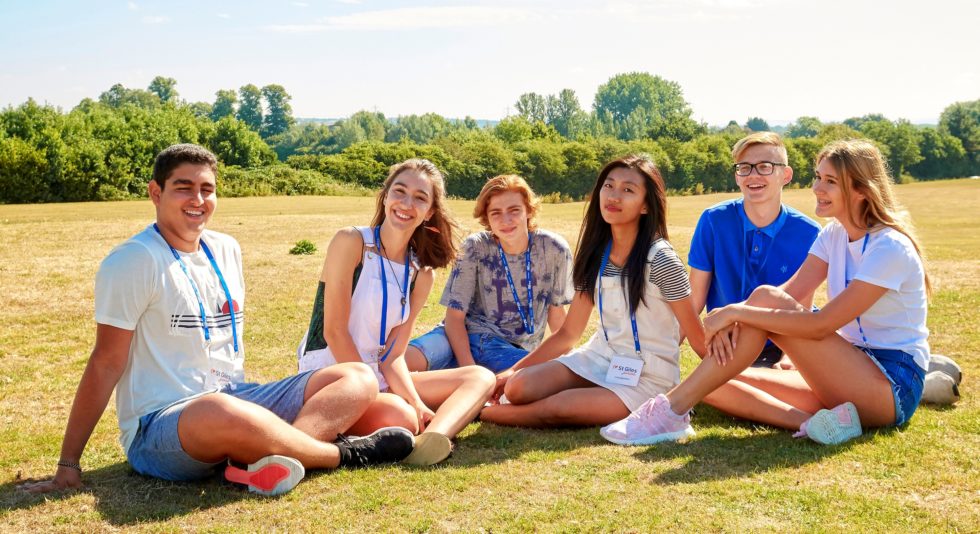
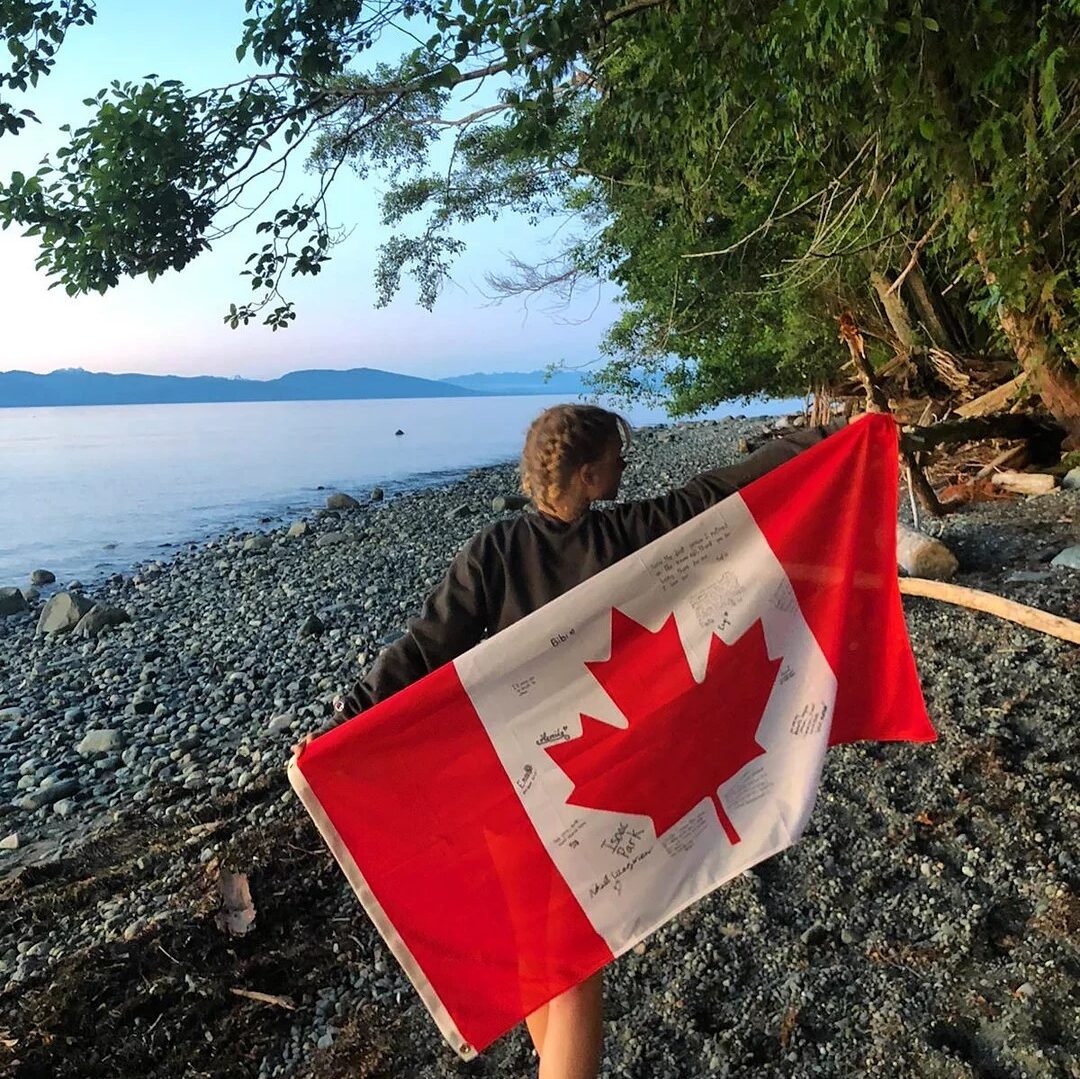
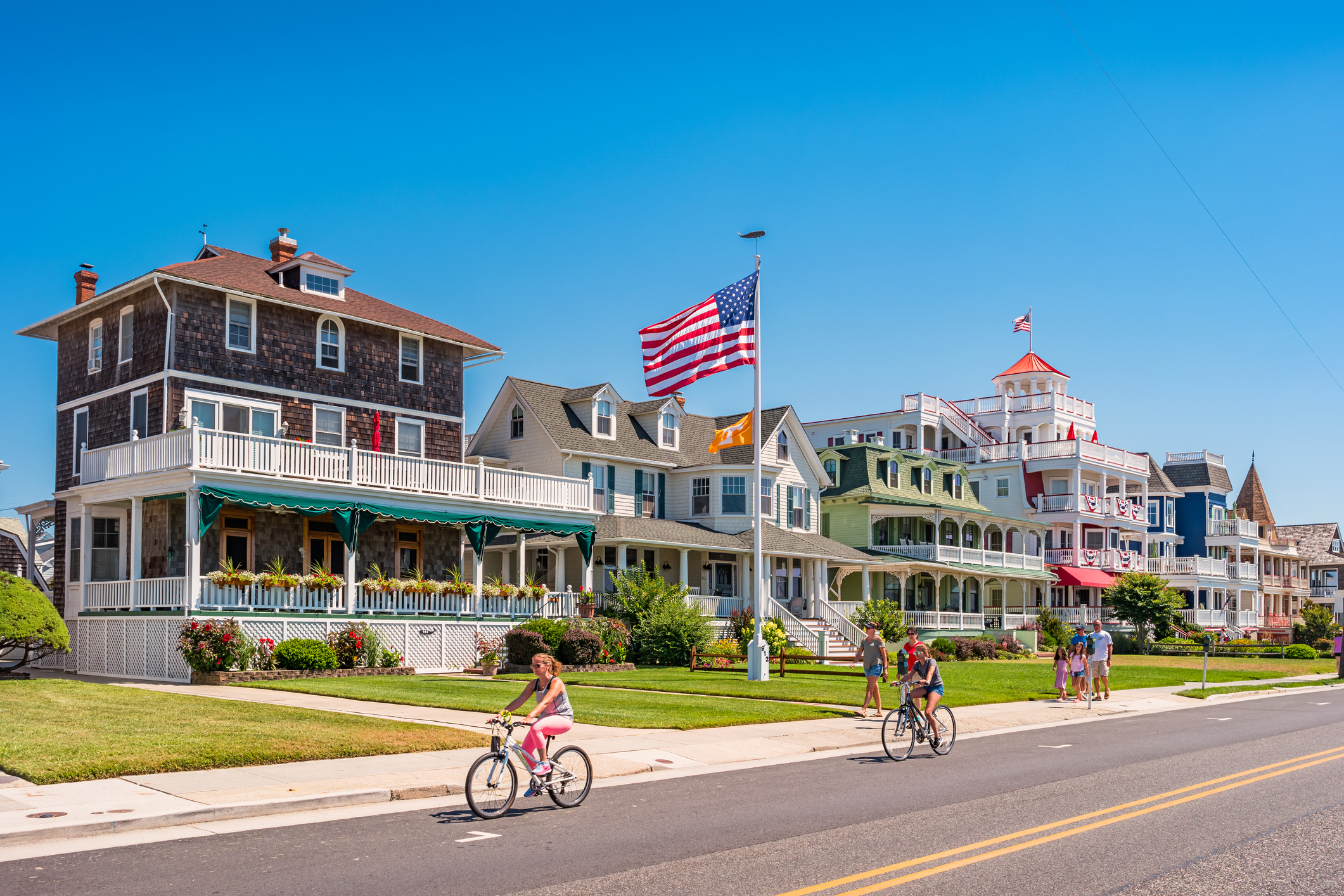


LA SÉLECTION LANGUES VIVANTES


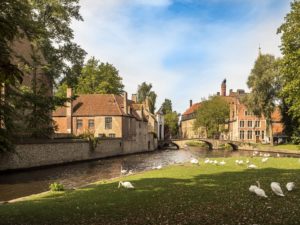
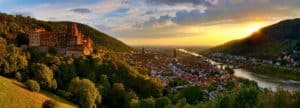




Séjour linguistique À Bruges à pâques et en été
Profitez des vacances pour donner un coup de pouce à votre fils ou à votre fille, en anglais, en néerlandais ou en français !
Les cours sont associés à un programme d’activités variées, combinant sports divers et visites culturelles.
Dates de séjour : 07/04 – 13/04 & 05/05 – 11/05 & toutes les semaines en juillet et août
vacances de carnaval & pâques – Découvrez notre programme annuel à Cambridge (13-17 ans)
Plongez au cœur de Cambridge et vibrez au rythme d’une ville légendaire avec Langues Vivantes. C’est bien plus qu’apprendre l’anglais, c’est vivre une aventure historique !
Votre parcours d’apprentissage commence ici, dans l’écrin d’histoire et d’innovation qu’est Cambridge. Inscrivez-vous !
Séjour linguistique À Bruges
Profitez des vacances de Pâques et d’été pour donner un coup de pouce à votre fils ou à votre fille, en anglais, en néerlandais ou en français !
Découvrez notre programme unique pour jeunes à Bruges, alliant cours de langues et activités variées telles que l’équitation, le tennis, l’omnisport et des expériences culturelles enrichissantes. Optez pour notre formule tout compris avec encadrement total, et offrez à vos enfants une aventure linguistique et sportive inoubliable dans un cadre charmant et historique.
Dates de séjour : 07/04 – 13/04 & 05/05 – 11/05 & Toutes les semaines en juillet et août
Accélérez Votre Maîtrise des langues avec l’Immersion Chez le Professeur
Apprenez une langue en immersion totale chez le professeur, là où les progrès rapides rencontrent l’accueil chaleureux d’un foyer. Bénéficiez d’un apprentissage personnalisé pour des résultats qui parlent d’eux-mêmes.
Avec notre programme d’immersion chez le professeur, les frontières s’effacent : choisissez parmi plusieurs pays et langues pour une expérience d’apprentissage sans pareil.
SÉJOUR D’Été à bournemouth
Notre séjour linguistique signature à Bournemouth avec voyage accompagné au départ de Bruxelles est ouvert à la réservation !
Profitez vite de notre Promo « Tout compris » pour bénéficier du meilleur tarif !
Séjours linguistiques pour étudiants & adultes à partir de 16 ans
Nous proposons un large éventail de séjours linguistiques pour les étudiants et les adultes à partir de l’âge de 16 ans. Nos écoles partenaires vous accueillent tout au long de l’année pour une durée d’une semaine à plusieurs mois.
nos SÉjours linguistiques Pour les 8-19 ans
Élargir ses horizons, apprendre ou perfectionner une langue, découvrir une autre culture, se faire de nouveaux amis, quelle meilleure façon pour un enfant ou un adolescent de passer ses vacances d’été ?
Faites votre choix parmi nos nombreuses formules et destinations, que ce soit avec des cours, des activités culturelles ou sportives, en famille d’accueil ou en résidence, ou bien sans cours en immersion totale, nous avons le séjour qui correspond à votre enfant.
Des séjours encadrés à partir d’1 ou 2 semaines en Belgique, Irlande, Malte, Espagne, Allemagne, …
Optez pour le grand classique
de Langues VivanteS, cet été
Notre séjour linguistique à Bournemouth avec voyage accompagné au départ de Bruxelles !
Profitez vite de notre Promo « Tout compris » pour bénéficier du meilleur tarif !









Célestine passe actuellement un semestre en Irlande, et se prépare à rentrer dans quelques mois… mais pas vraiment de son plein gré…
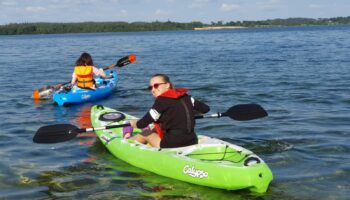
Cette année, Donatella a décidé de réaliser son rêve et de terminer ses études à l’étranger ! Elle a fait sa rentrée scolaire en Irlande, à Mullingar, où elle passera les 3 prochaines années.

Découvrez le témoignage de Manon qui est partie en High School à Nanaimo au Canada pendant un semestre scolaire.


